
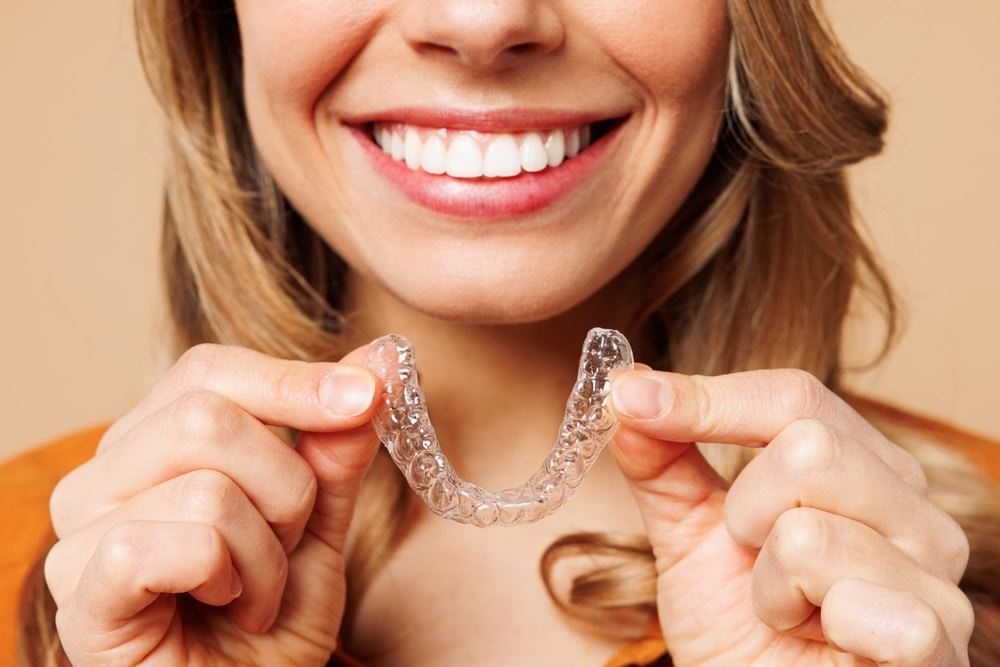
How Invisalign Works
The system uses a series of custom-made, clear plastic aligners that gradually shift your teeth into proper position. Each set of aligners moves your teeth slightly, and you switch to the next set approximately every two weeks. Over several months, your teeth move into alignment following a precise plan mapped out before treatment even begins.
You wear the aligners for 20 to 22 hours per day, removing them only for eating, drinking anything other than water, and brushing your teeth. This flexibility makes Invisalign incredibly convenient compared to traditional braces that stay cemented to your teeth throughout treatment.
The Treatment Process
Initial Consultation
Your journey starts with an evaluation to determine if Invisalign suits your needs. Dr. Dunkleberger examines your teeth and bite, discusses your goals, and explains what you can realistically expect. Not every orthodontic issue responds equally well to clear aligners, so honest communication during this phase matters.
Digital scans create a 3D model of your teeth—no goopy impressions required. This technology provides the precise measurements needed to design your custom aligners. You’ll even see a preview of how your teeth will look after treatment, which is pretty exciting.
Receiving Your Aligners
Once your custom aligners arrive, Dr. Dunkleberger shows you how to insert and remove them properly. You’ll receive several sets at once, switching to the next set on schedule at home. This means fewer office visits compared to traditional braces that require regular tightening appointments.
Small tooth-colored attachments might be bonded to certain teeth to help the aligners grip better and control movement more precisely. These tiny bumps are barely noticeable and come off easily when treatment finishes.
Progress Monitoring
Periodic checkups every six to eight weeks allow Dr. Dunkleberger to monitor your progress and ensure everything moves according to plan. These quick visits confirm that you’re wearing your aligners consistently and that your teeth respond as expected. Adjustments to the treatment plan happen if needed.
Benefits of Choosing Invisalign
Nearly Invisible Appearance
The clear plastic makes Invisalign aligners extremely difficult to notice. Most people won’t realize you’re wearing them unless you mention it. This discretion appeals to adults who want straighter teeth but feel self-conscious about visible orthodontics.
Professional photos, important presentations, job interviews—you can feel confident in any situation knowing your orthodontic treatment stays virtually invisible.
Removable Convenience
Being able to take your aligners out transforms the orthodontic experience. Eat whatever you want without worrying about food getting stuck in braces or damaging brackets. Enjoy corn on the cob, apples, popcorn, and all those foods that traditional braces make awkward.
Brushing and flossing happen normally because nothing stays permanently attached to your teeth. This makes maintaining good oral hygiene much easier throughout treatment. Your regular dental cleanings continue without complications, too.
Comfortable Treatment
Invisalign aligners have smooth edges and no metal parts to poke your cheeks or irritate your gums. Some people experience mild pressure when switching to a new set of aligners, but this discomfort fades quickly and actually indicates the treatment is working.
The lack of emergency visits for broken brackets or poking wires makes Invisalign treatment much more predictable and hassle-free.
What Invisalign Can Fix
This system effectively treats many common alignment issues. Crowded teeth where there’s not quite enough room, gaps between teeth, overbites, underbites, and crossbites often respond beautifully to clear aligner therapy. Dr. Dunkleberger assesses your specific situation to determine if Invisalign can achieve your goals.
Some complex orthodontic cases still require traditional braces or a combination of treatments. However, advances in Invisalign technology continue expanding what’s possible with clear aligners. Cases that weren’t treatable with Invisalign years ago now respond well to current techniques.
Maintaining Your Results
After your teeth reach their final position, you’ll need to wear retainers to keep them from shifting back. This retention phase is crucial—teeth have a natural tendency to drift toward their original positions without something holding them in place.
Many patients wear their last set of Invisalign aligners as retainers initially, then transition to nighttime-only retainer wear. Following Dr. Dunkleberger’s retention instructions protects your investment and keeps your newly straightened smile looking perfect.
Treatment Timeline and Commitment
Most Invisalign cases take 12 to 18 months, though simpler adjustments might finish faster, while complex cases could take longer. Your treatment duration depends on how much movement your teeth require and how consistently you wear your aligners.
Compliance matters enormously. Wearing your aligners for the recommended 20-22 hours daily keeps treatment on track. Skip days or wear them inconsistently, and your teeth won’t move according to plan, potentially extending your treatment time.
Is Invisalign Right for You?
If you’ve been putting off orthodontic treatment because you didn’t want visible braces, Invisalign might be exactly what you need. Adults who want straighter teeth without advertising their orthodontic treatment love the discretion and flexibility that clear aligners provide. Schedule a consultation with Dr. Elizabeth Dunkleberger at Dental Excellence in Littleton to find out if Invisalign can give you the confident, straight smile you deserve—without anyone knowing you’re in treatment.